
When it comes to keeping your home comfortable during the colder months, there are three primary types of heating systems: furnaces, boilers, and heat pumps. Each system heats your home differently and offers unique advantages depending on your home's layout, energy needs, and climate.
Let's take a closer look at how each heating system works and what sets them apart.
Furnaces
Furnaces have been one of the most common heating systems in residential construction for the past several decades. They can be powered by natural gas, propane, oil, or electricity.
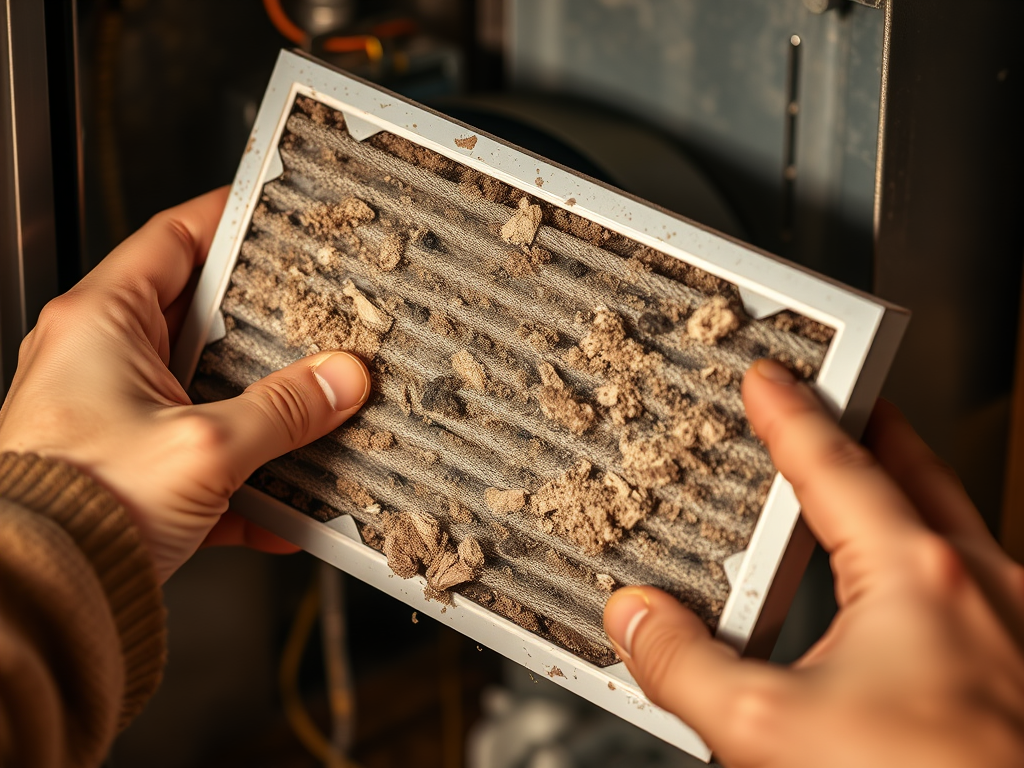
A furnace works by heating air through a heat exchanger before a blower distributes the warm air throughout your home using a network of ducts. The heated air enters each room through vents located in the floors, walls, or ceilings.
Because ductwork is installed within the walls, furnaces are especially well suited for new construction or homes that already have existing ducts.
Benefits of a Furnace
Furnaces offer several advantages, including the ability to integrate with other indoor comfort systems, such as:
Central air conditioning
High-efficiency air filtration systems
Whole-home humidifiers
Whole-home dehumidifiers
These additions can improve indoor comfort and help maintain healthier indoor air quality throughout the year.
Boilers
Unlike furnaces, boilers heat water instead of air. The heated water circulates through pipes to baseboard heaters or radiators installed throughout your home, where the heat is released into each room.
Boilers are designed solely for heating and have been a trusted option in homes for many years. Like furnaces, boiler systems are typically installed during the initial construction of a home because they require dedicated piping.
You'll commonly find baseboard heaters or radiators positioned along walls near the floor.
Benefits of a Boiler
Boilers offer several advantages, including:
Even, consistent heating
Quiet operation
No ductwork required
Reduced circulation of dust and allergens compared to forced-air systems
Heat Pumps
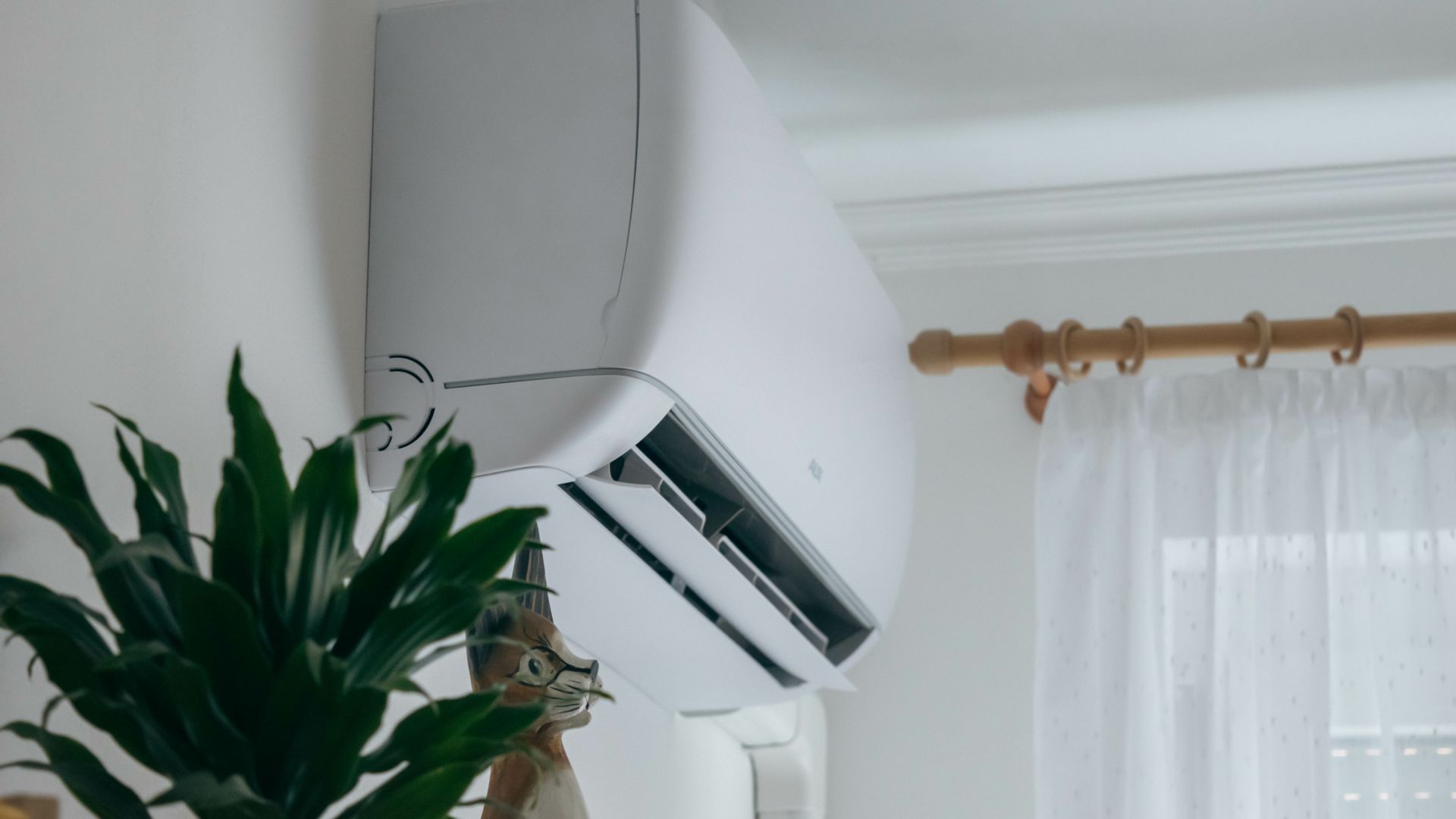
Heat pumps are one of the fastest-growing heating and cooling solutions available today. They operate similarly to ductless mini-split systems by transferring heat rather than generating it through combustion.
Instead of distributing air through ductwork, heat pumps deliver conditioned air directly into individual rooms or zones, making them an excellent choice for homes without existing ducts or for additions and renovations.
One of the biggest advantages of a heat pump is that it provides both heating and cooling, making it a year-round comfort solution.
Benefits of a Heat Pump
Heat pumps offer homeowners several key benefits:
Heating and cooling in one system
High energy efficiency
No ductwork required for ductless models
Great option for existing homes, additions, and garages
Zoned temperature control for greater comfort
Which Heating System Is Best?
The right heating system depends on your home's construction, your budget, your comfort preferences, and your long-term energy goals.
Choose a furnace if your home already has ductwork and you want a reliable forced-air system that can easily pair with central air conditioning.
Choose a boiler if you prefer quiet, even heating through radiators or baseboards and don't need central air through the same system.
Choose a heat pump if you're looking for an energy-efficient system that provides both heating and cooling, especially in a home without existing ductwork.
If you're unsure which option is best for your home, a qualified HVAC professional can evaluate your space and recommend the most efficient solution for your comfort and budget.